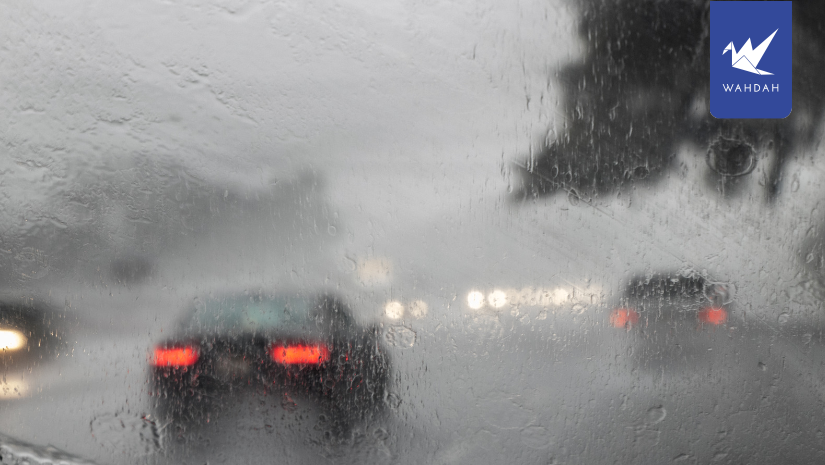
Driving in the rain is a normal part of life in many places. With a few good habits, you can handle wet roads calmly and confidently.
This guide covers everything you need to know about how to safely drive in the rain, from simple checks before you leave to smart habits on the road.
Why Rain Changes How You Drive
Rain creates a few changes that make driving a little different.
Reduced Visibility
Rain on the windshield and spray from other vehicles can make it harder to see clearly.
Slippery Roads
Water mixes with oil and dirt on the road, creating a slippery surface. This means you need a little more room to stop.
Other Drivers
Not everyone adjusts their driving in the rain. Staying alert and giving others space helps everyone stay safe.
How to Safely Drive in the Rain: Before You Go
A few simple checks before you leave make a big difference.
Check Your Tires
Tires are your connection to the road. Good tread helps channel water away.
What to do:
-
Check tire pressure regularly
-
Ensure tread depth is at least 3mm
-
Look for signs of wear
-
Replace tires when needed
Why it matters: Good tires give you better grip on wet roads.
Check Your Wipers
Windshield wipers are your best friend in the rain.
What to do:
-
Replace wipers if they streak or leave gaps
-
Check wiper fluid levels
-
Keep your windshield clean
Why it matters: Clear visibility makes driving much more comfortable.
Check Your Lights
You need to see and be seen.
What to do:
-
Test all lights before you leave
-
Replace any burnt-out bulbs
-
Clean dirty light covers
Why it matters: Working lights help you see the road and help others see you.
How to Safely Drive in the Rain: On the Road
These simple habits keep you comfortable and prepared.
Slow Down
Speed is the most important thing to adjust in the rain.
What to do:
-
Reduce your speed by 10-20 km/h in wet conditions
-
Drive slower in heavy rain
-
Allow extra time for your journey
Why it matters: Slower speeds give you more time to react and reduce the chance of slipping.
Increase Your Following Distance
Stopping distances are a little longer on wet roads.
What to do:
-
Leave at least 4 seconds between you and the car ahead
-
Double the gap in heavy rain
-
Avoid tailgating
Why it matters: More space means more time to respond smoothly.
Turn On Your Headlights
Visibility is reduced in rain. Headlights help you see and be seen.
What to do:
-
Turn on headlights as soon as rain starts
-
Use low beams, not high beams
-
Never rely on daytime running lights alone
Why it matters: Headlights improve visibility for you and make your vehicle visible to others.
Avoid Sudden Movements
Smooth driving keeps you in control.
What to do:
-
Brake gently and early
-
Accelerate slowly
-
Steer smoothly
Why it matters: Gentle movements help your tires keep good contact with the road.
Handle Hydroplaning Calmly
Hydroplaning happens when your tires briefly lose contact with the road. It feels like floating for a moment.
What to do:
-
Ease off the accelerator
-
Do not brake suddenly
-
Steer straight until you feel the tires grip again
-
Stay calm and make gentle adjustments
Why it matters: Staying calm helps you regain control smoothly.
Watch for Standing Water
Standing water can be deeper than it looks.
What to do:
-
Avoid driving through standing water if possible
-
If you must drive through it, go slowly
-
Test the depth with a stick if unsure
-
Never drive through fast-moving water
Why it matters: Avoiding deep water keeps your engine and brakes safe.
Be Careful Around Large Vehicles
Large vehicles can create spray and reduce visibility a little.
What to do:
-
Avoid driving directly behind trucks or buses
-
Pass with extra care
-
Be aware of blind spots
Why it matters: Spray from large vehicles can briefly reduce visibility. Giving them space helps.
How to Safely Drive in the Rain: Special Situations
Driving at Night in the Rain
Night driving in rain is a little more challenging.
What to do:
-
Reduce speed a little more
-
Use headlights correctly
-
Watch for reflections on wet roads
-
Be extra cautious at intersections
Why it matters: Visibility is lower at night, so slowing down helps.
Driving on Highways
Highway driving in rain requires a little extra care.
What to do:
-
Avoid using cruise control
-
Stay in the middle lanes if possible
-
Watch for merging vehicles
-
Pull over if conditions change
Why it matters: Highways have higher speeds, so smooth driving helps.
Driving Through Flooded Roads
Flooded roads are best avoided.
What to do:
-
Turn around if the water is too deep
-
Do not drive through fast-moving water
-
Check for alternative routes
Why it matters: Floodwater can be deeper than it looks and can affect your engine.
How to Safely Drive in the Rain: FAQ
What is the safest way to drive in rain?
Slow down, turn on your headlights, and increase your following distance. Gentle, smooth driving is the safest approach.
How can I drive safely in heavy rain?
Reduce your speed a little more, use low-beam headlights, and double your following distance. If visibility drops, pull over safely and wait.
Is it risky to drive in the rain?
Driving in the rain is normal and can be done safely with good habits. Just slow down, stay alert, and give yourself extra time.
What should I do if I start to hydroplane?
Ease off the accelerator and steer straight. Stay calm and wait for your tires to grip the road again.
Should I use my hazard lights in the rain?
No. Hazard lights are for emergencies. Use your headlights instead so others can see you clearly.
How fast should I drive in the rain?
Reduce your speed by 10-20 km/h. Match your speed to the conditions.
What is the safest following distance in the rain?
Leave at least 4 seconds between you and the car ahead. In heavy rain, double that gap.
Should I use cruise control in the rain?
No. Stay engaged and in control of your speed.
What should I do if visibility is poor?
Pull over safely, turn on your hazard lights, and wait for conditions to improve.
How do I prevent foggy windows in the rain?
Turn on your air conditioning and defroster. Keep your windows clean inside and out.
Get to Your Destination Comfortably with WAHDAH
Planning a drive during the rainy season? A reliable vehicle makes every journey more comfortable. WAHDAH offers well-maintained cars with unlimited mileage, flexible pickup and drop-off, customer support, and so much more.
Rent a Car with WAHDAH Today
Final thought. Driving in the rain is a normal part of many journeys. With a few simple habits and a reliable vehicle, you can stay comfortable and in control. Slow down, stay alert, and enjoy the drive.
Read more: How to Manage Traffic Jam When Driving a Car




 English
 Singapore
 Bahasa Malaysia
 Indonesia