Singapore is widely known for its efficient public transport system, where getting around is easy and safe, thanks to its extensive MRT train network and public buses. However, many visitors visiting Singapore still prefer to have the flexibility of driving, and thus, renting a car in Singapore makes the journey more convenient and hassle-free. For families with elderly people and children, as well as travellers planning a roadtrip with multiple stops in Singapore, driving is one of the best options to explore this country.
One question that often lingers in the back of the mind is, can tourists drive in Singapore? Understanding the local licence requirements, road rules, and regulations is essential as Singapore has strict traffic rules. If one breaks the rule, fines can be hefty which is something we all want to avoid. To answer that question, here's everything you need to know before driving in Singapore for tourists!
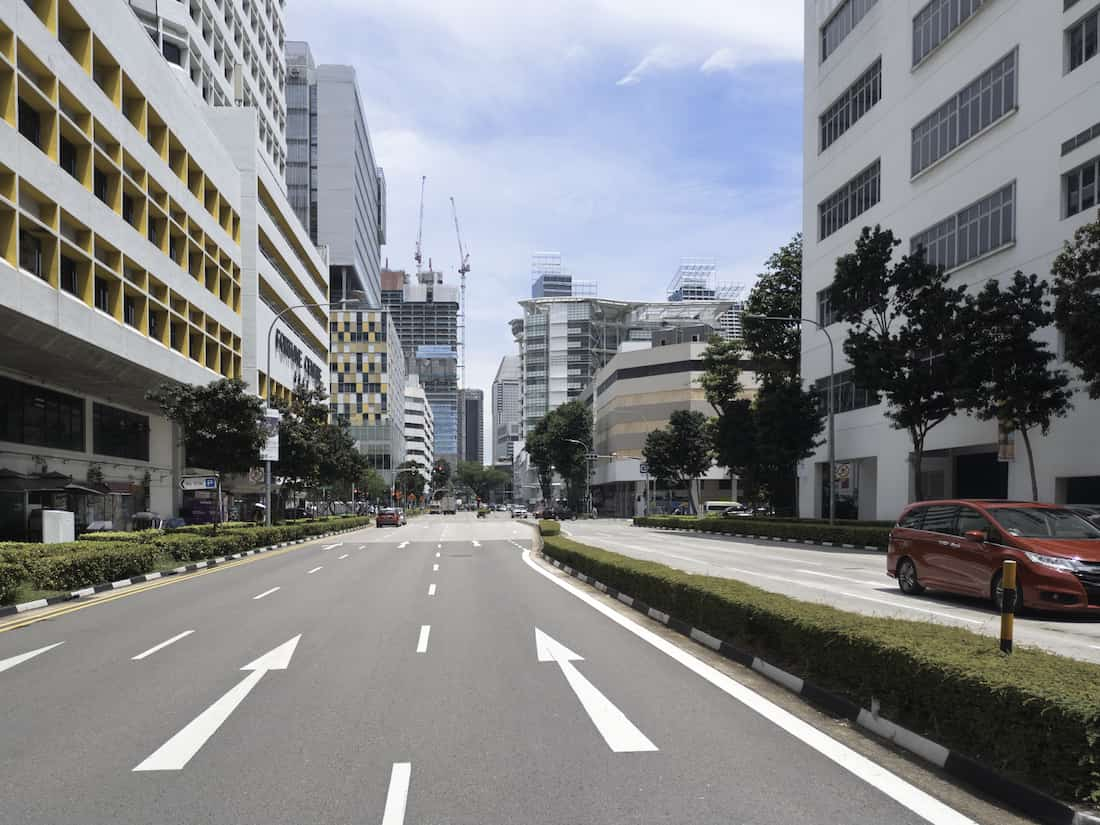 Image Source: Wikipedia
Can Tourists Drive in Singapore Legally?
Yes! Tourists can drive in Singapore legally for up to 12 months, provided they hold a valid foreign driver's licence in English which they can use directly during their stay. However, if it is not in English, an International Driving Permit (IDP) issued by your home country or an official English translation is required.
If you are staying in Singapore for more than 12 months, you will be required to obtain a valid Singapore driving licence. Please note that foreigners from ASEAN member states do not require an IDP for stays of 12 months or less.
How Long Can Tourists Drive in Singapore?
Tourists are allowed to drive in Singapore for up to 12 months with a valid foreign driving licence from the date of their last entry into the country. This applies to tourists on a short-term visit. For tourists planning to stay in Singapore for more than 12 months, they must convert their foreign driving licence to a Singapore driving licence. It's important to ensure that your stay and licence validity align with legal requirements to continue driving in Singapore legally.
Document Requirements for Foreign Drivers in Singapore
Driving in Singapore for tourists requires them to carry certain documents. You must carry your original passport with a validity of at least 6 months. You should also carry your valid foreign driving licence in Singapore with you at all times. If your IDP is required, it must be presented together with your valid original driving licence.
When it comes to renting a car in Singapore, you will also need to carry with you the rental agreement documents provided by the car rental company in printed or electronic form. Failure to produce these documents in case of roadblocks or traffic stops may result in penalties.
Important Driving Rules in Singapore
To drive safely in Singapore, there are some important driving rules tourists should know and follow in Singapore:
- Drive on the left side of the road.
- The right lane is the fast lane. When overtaking, you should always overtake on the right-hand side.
- Seatbelts are mandatory for all passengers including passengers seated in the back.
- Child restraints or booster seats are mandatory for all passengers under 1.35m in height, regardless of age.
- When driving, it is illegal to hold and operate a mobile device (phone, tablet, smartwatch) unless using a hands-free/Bluetooth system.
- Follow speed limits. Traffic cameras are installed throughout Singapore to monitor speeding, illegal U-turns and red light violations. Since 1 January 2026, penalties have gone up too, exceeding the limit by up to 20km/h now carries 6 demerit points and a S$200 fine for light vehicles, compared to 4 points and S$150 before.
- Your vehicle's headlights must be turned on between 7pm and 7am. Driving without headlights during these hours results in penalties.
- Do note that there are Electronic Road Pricing (ERP) and parking procedures to follow when driving in Singapore.
Common Mistakes Tourists Make (When Driving in Singapore)
Driving in Singapore can be a little challenging when there are many strict, highly enforced traffic regulations to follow, especially when it's your first time driving. There are several common mistakes tourists make when driving in Singapore. To avoid these mistakes from happening, here are some of the common mistakes listed below so you can make better choices:
- Tourists are underestimating the strict enforcement of traffic laws. Exceeding the speed limit or running red lights can result in penalties.
- Illegal parking like parking in non-designated areas can lead to fines.
- Neglecting ERP by forgetting to check their linked card balance, whether their rental car uses the older In-Vehicle Unit (IU) or the newer On-Board Unit (OBU).
- Ignoring pedestrians like not slowing down or stopping for pedestrians at zebra crossings, can result in penalties as well.
- Using mobile phones while driving results in heavy penalties.
Tips to Avoid Mistakes When Driving
Here are some helpful tips to help you avoid common mistakes made while driving in Singapore:
- Familiarize yourself with local signage and regulations to avoid mistakes.
- Use navigation apps that will indicate ERP charges so you will know when to expect them.
- Keep a valid, topped-up stored-value card, such as a NETS Motoring Card, NETS FlashPay, or EZ-Link Motoring Card, in your vehicle.
- To avoid parking fines, use parking apps.
- Avoid speeding and keep to the speed limit.
Understanding Singapore’s Electronic Road Pricing (ERP) System
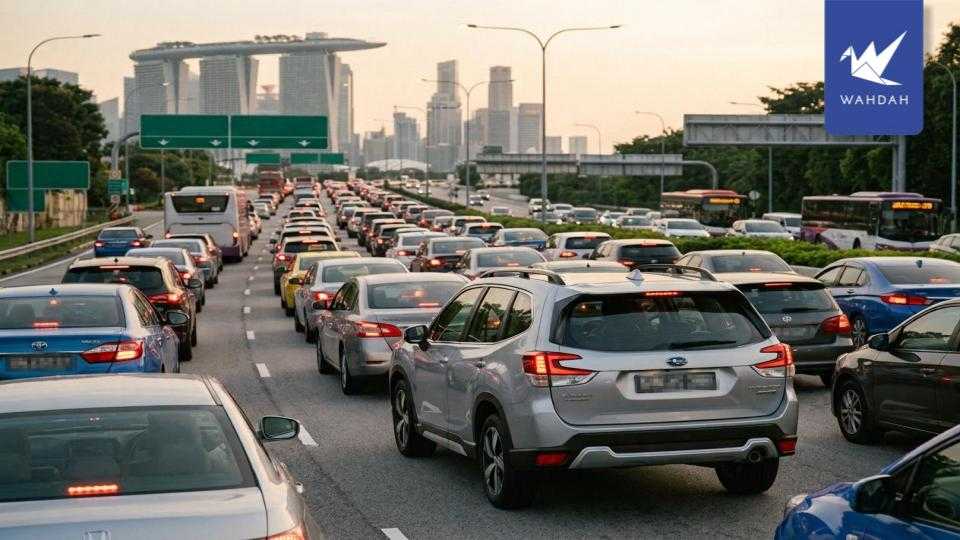
If you're wondering about Singapore's ERP system, it's an automated, congestion-based toll system that manages traffic flow, especially during peak hours. Singapore is partway through a switch from the old gantry-and-In-Vehicle-Unit (IU) system to ERP 2.0, a satellite-based system that uses a new On-Board Unit (OBU) instead of overhead gantries. As of 2026, most Singapore-registered vehicles, including the bulk of rental fleets, have already moved to the OBU, and the switch becomes mandatory for every vehicle from 1 January 2027.
Either way, the charge works the same for you as a driver: your vehicle is automatically charged as you pass through a priced zone, and the amount is deducted from a linked stored-value card. One important change to know about: older CashCards are no longer accepted on the new OBU. You'll need a CEPAS-type card instead, such as a NETS Motoring Card, NETS FlashPay, or EZ-Link Motoring Card.
Charges vary by time of day and location, with rates higher during peak hours. Navigation apps like Google Maps and Waze can flag ERP charges along your route so there are no surprises.
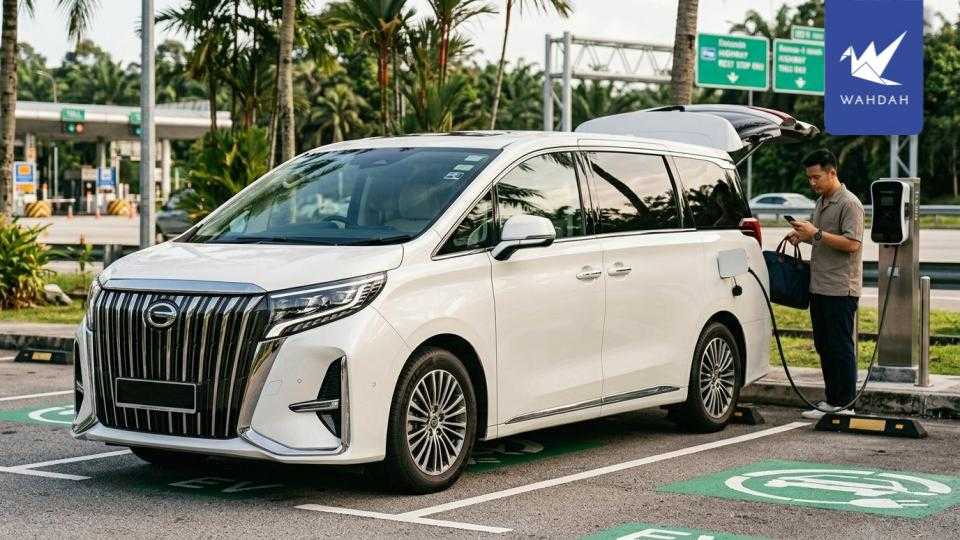
Most rental cars in Singapore, including WAHDAH's fleet, come fitted with either an IU or the newer OBU. When you pick up your car, check which system it uses and make sure the linked card has enough balance for your trip.
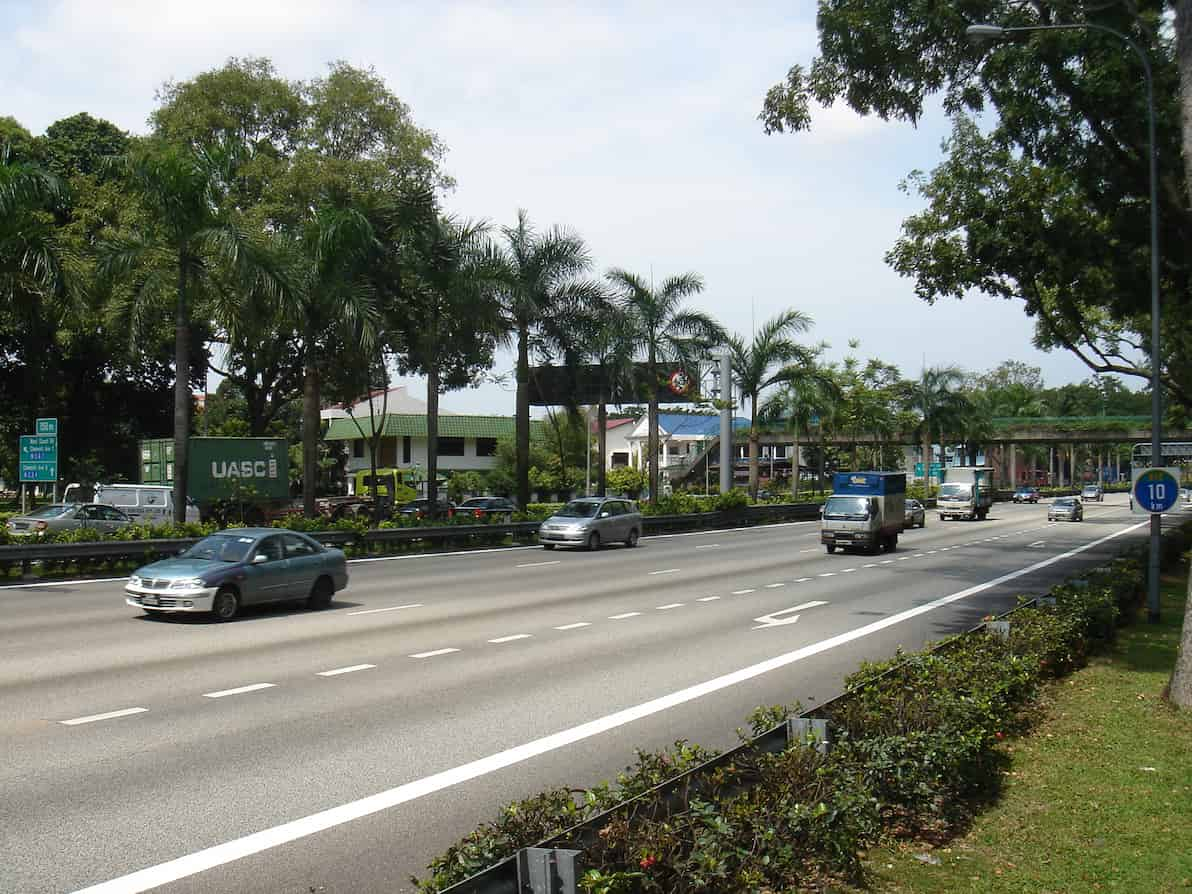 Image Source: Commons Wikimedia
Renting a Car in Singapore as a Tourist
It is common for tourists to rent a car in Singapore as they don't want to rely on public transport. Plus, it is quite straightforward to rent a car in this country if you meet the licence requirements.
You will need to present a valid international driver's licence, an IDP (unless from ASEAN countries), a valid passport and a credit card. Drivers must generally be 21 to 24+ years of age. There is usually a wide variety of cars to choose from, from compact cars, family SUVs or luxury vehicles.
It's always good to book your vehicle in advance for a better rate and availability. When renting a car, always inspect the vehicle for existing damage before driving off.
Conclusion
It is true that tourists can drive in Singapore, given that they meet the license and documentation requirements. It’s also important to understand local traffic rules, ERP systems and enforcement standards to drive in Singapore and avoid penalties.
Driving in Singapore offers flexibility and convenience, especially for families and tourists planning multiple stops. Renting a car in Singapore with WAHDAH is a great way to explore Singapore at your own pace. For a hassle-free car rental experience, book your vehicle at WAHDAH today!





 English
 Singapore
 Bahasa Malaysia
 Indonesia